

No Results Found.
The page you requested could not be found. Try refining your search, or use the navigation above to locate the post.
The page you requested could not be found. Try refining your search, or use the navigation above to locate the post.
$variable({u0022typeu0022:u0022contentu0022,u0022valueu0022:{u0022nameu0022:u0022loop_menu_descriptionu0022,u0022settingsu0022:{u0022beforeu0022:u0022u0022,u0022afteru0022:u0022u0022,u0022loop_positionu0022:u0022u0022}}})$
$variable({u0022typeu0022:u0022contentu0022,u0022valueu0022:{u0022nameu0022:u0022loop_menu_descriptionu0022,u0022settingsu0022:{u0022beforeu0022:u0022u0022,u0022afteru0022:u0022u0022,u0022loop_positionu0022:u0022u0022}}})$
$variable({u0022typeu0022:u0022contentu0022,u0022valueu0022:{u0022nameu0022:u0022loop_menu_descriptionu0022,u0022settingsu0022:{u0022beforeu0022:u0022u0022,u0022afteru0022:u0022u0022,u0022loop_positionu0022:u0022u0022}}})$
- 10. May 2026
No phone ringing. No jeep traffic jams. No Instagram Reels. In India's tiger reserves, rules are in place to protect the forest –
not to entertain tourists. An experience report from Kanha National Park on sustainable nature tourism, strict safari rules, and why Africa could learn from it.

Julius Kramer
Wildlife Photographer & Conservationist
It is exactly 5:45 AM when the old barrier of Kanha National Park opens.
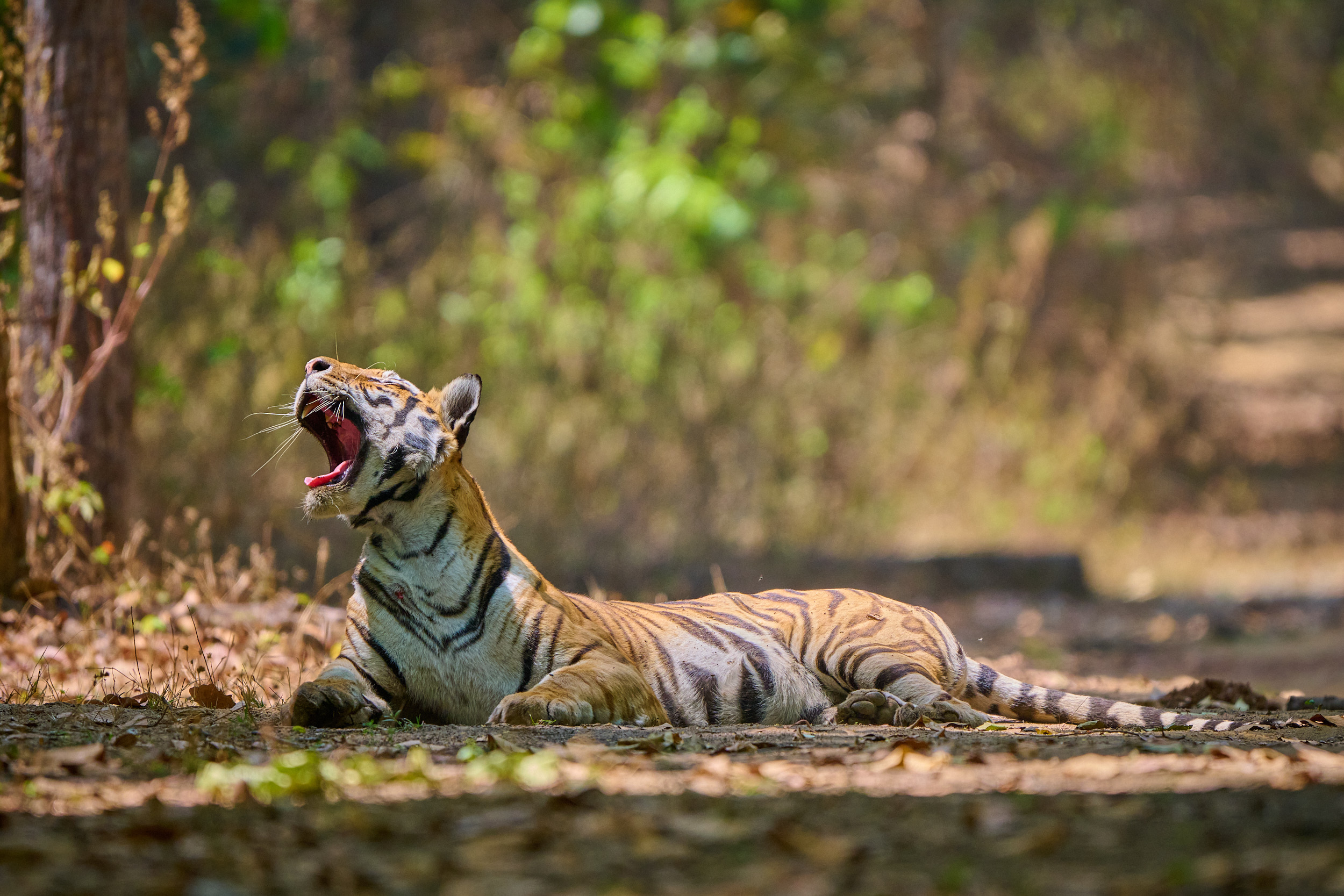
The Gypsy slowly rolls over the gravel track, and within a few seconds, the Sal forest closes around us like a curtain. The driver quiets the engine. Ratik – my partner from Gaiatales, with whom I am undertaking the journey – raises his hand. We stop. In the undergrowth, perhaps thirty meters away, a Sambar deer crashes through the bushes. An alarm call. Somewhere ahead of us, a tiger lies.
What surprises me in this moment is not the tension – that is part of every safari. It is the silence. No engine noise behind us. No radio transmitting a sighting. No second jeep rushing up. Just the forest, the deer, and us. And it is here, at the latest, that I realize India does something fundamentally different from most safari destinations in the world.

You enter a national park and hand over your mobile phone. No Instagram, no WhatsApp, no quickly shot Reel for TikTok. What sounds like withdrawal has been mandatory in some of India's most important tiger reserves since early 2026 – including Kanha, Ranthambore, Bandhavgarh, Pench, and Panna. The order stems from a directive by the Supreme Court of India.
The reason is simple: mobile phones had turned safaris into a kind of coordinated hunt. Drivers called each other when a tiger was sighted, vehicle convoys raced through the forest, tourists screamed with excitement. In addition, there was a problem that at first glance seems trivial but had enormous consequences: smartphones do not have telephoto lenses. Those who photograph with a mobile phone need proximity – and so tourists urged their drivers to get a little closer, five more meters, until the tiger filled the screen. The result: measurably increased stress hormone levels in tigers. A study by the CSIR-Centre for Cellular and Molecular Biology in Hyderabad showed that tigers in the tourist season have significantly higher cortisol levels than outside – and that these values are related to the number of vehicles.
Smartphones do not have telephoto lenses. Those who photograph with a mobile phone need proximity – and that became the problem.
With the mobile phone ban, this pressure is removed. Those who want to photograph bring a camera with a telephoto lens – and can work from a safe distance without urging the driver to get closer. For me, as a nature photographer, this was a blessing. But the real gain lies elsewhere: without the constant background noise of smartphones, a completely different kind of awareness emerges. You hear things you would otherwise overlook. The dry crack of a branch. The change in the tone of the langur calls. The moment the forest falls silent – because something large is moving.
The mobile phone ban is only the most visible measure in a much more comprehensive system. India's tiger reserves are managed according to the principle of core and buffer zones. The core zone is strictly protected and largely off-limits to humans. Tourism primarily takes place in the buffer zone – and even there, strict limits apply.
In Kanha, only about 20 percent of the total area of nearly 2,000 square kilometers is accessible to visitors. The number of vehicles is capped per zone and time slot. Speeds above 30 km/h are not permitted. A maximum of six guests are allowed per jeep, plus a guide and driver. On Wednesday afternoons, the park remains closed – a small respite in the middle of the week. And during the three-month monsoon season from July to September, Kanha closes completely. No tourist enters the forest. For three months, the territory belongs exclusively to the animals – for mating, raising young, and regeneration.
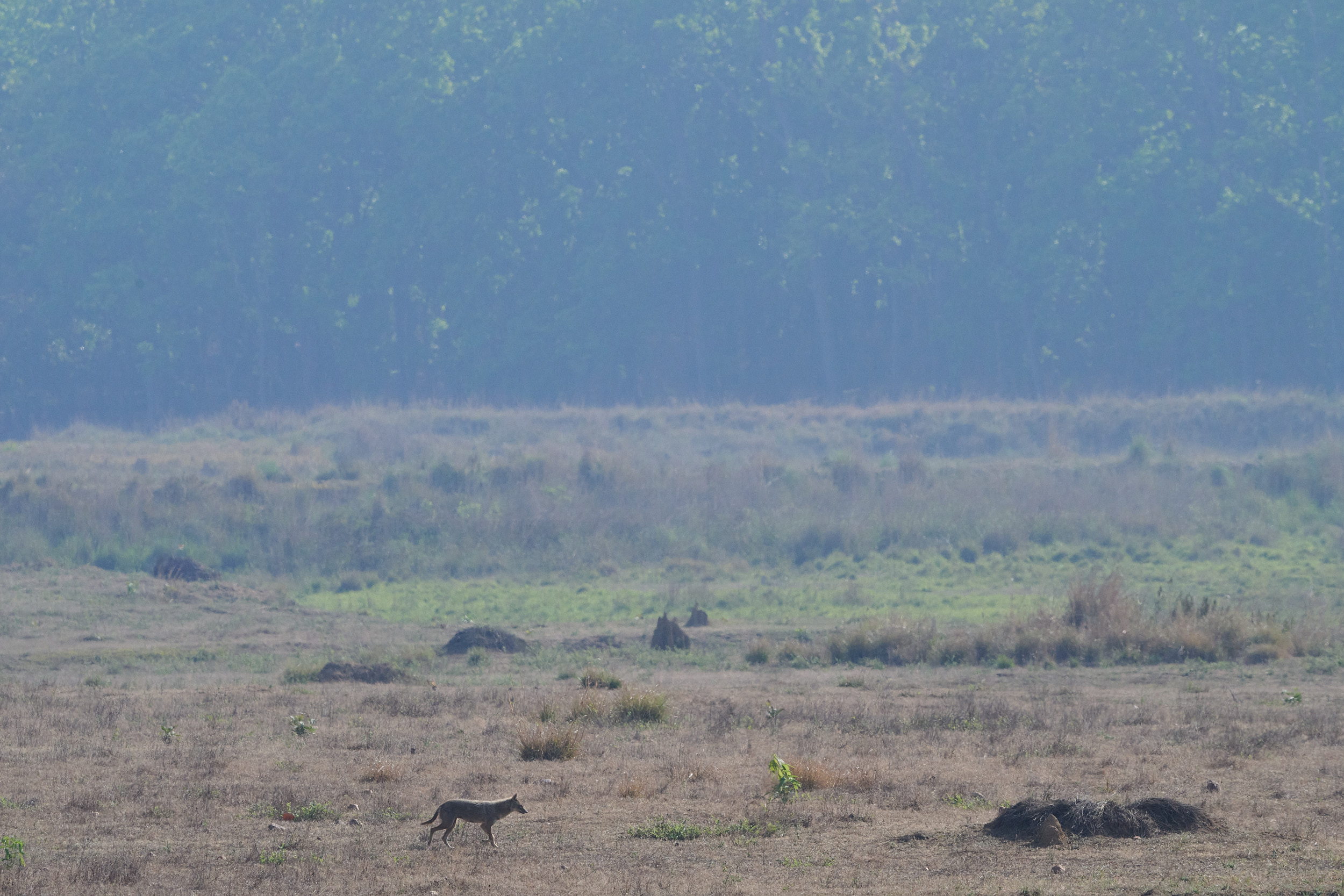
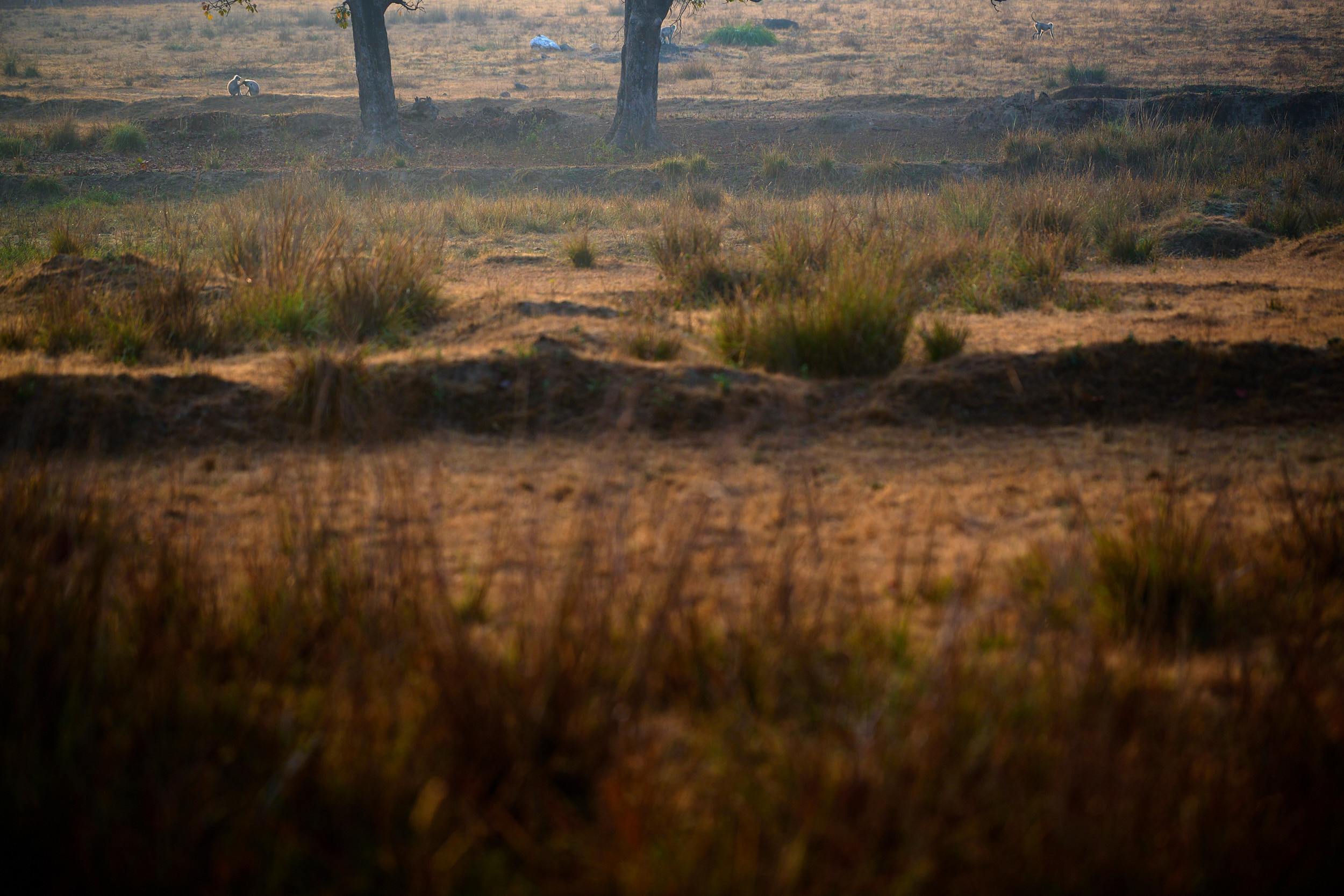
We had an afternoon safari where we did not encounter a single other vehicle in the buffer zone for almost two hours. The meadows lay golden in the backlight, axis deer grazed in the distance, and our guide quietly told us about the Barasingha – those swamp deer that were saved from extinction in Kanha and are now found nowhere else in the world. One almost forgets how much regulation lies behind this tranquility. But that is precisely the point: good conservation does not feel like bureaucracy – it feels like the forest.
Good conservation does not feel like bureaucracy – it feels like the forest.
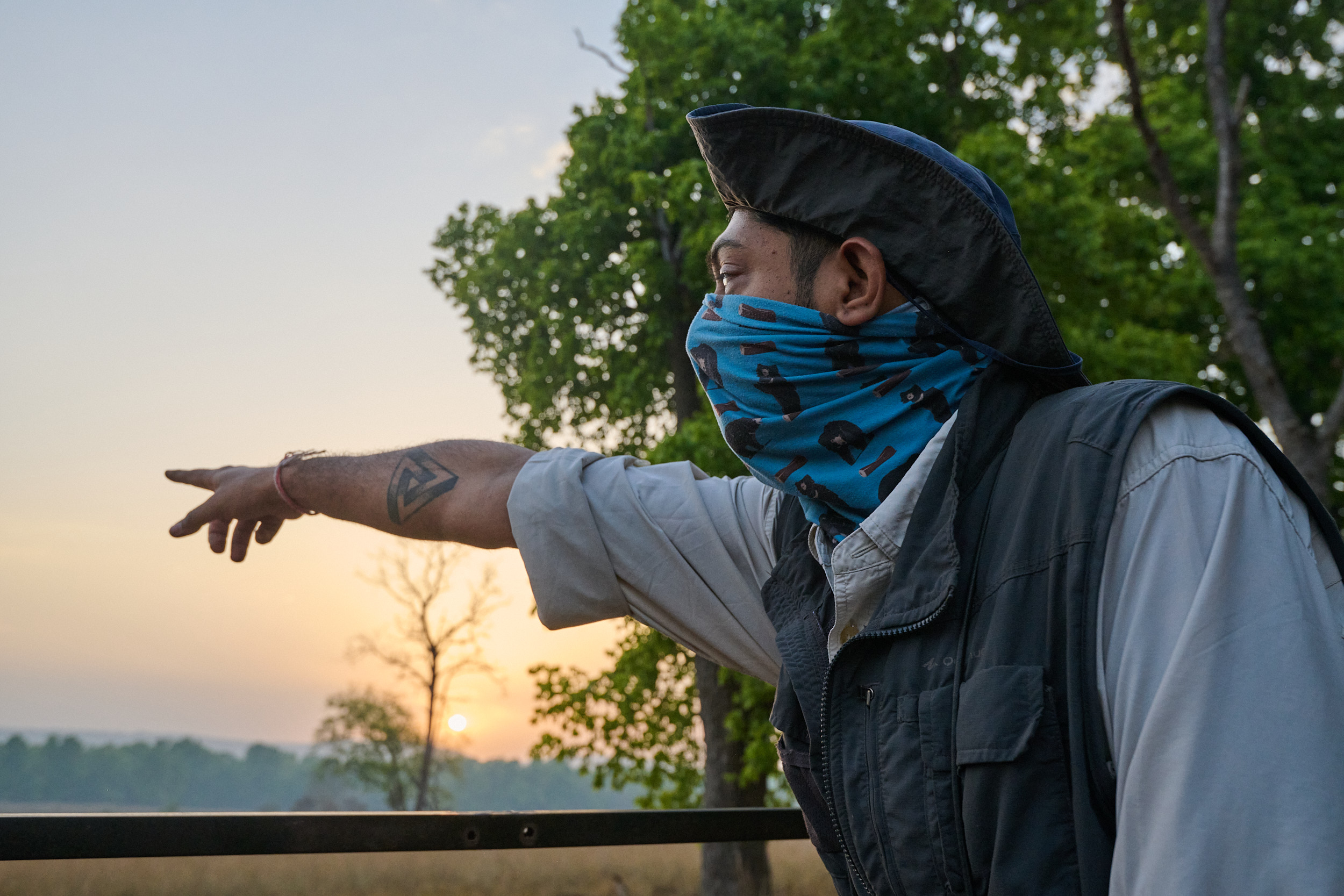
What particularly impressed me as a photographer: every safari vehicle in India must have a guide certified by the forest department on board. These individuals are not untrained staff. Many come from the villages around the park, have known the forest since childhood, and have undergone several weeks of training – such as the PRONAT program (Professional Naturalist Training) at Satpura National Park or the state-recognized Naturalist certification, accredited by India's NCVET.
Ratik reads the forest like a musical score. A peacock's call at a certain pitch, fresh tracks in the sand, the nervous ear movements of a Sambar – all information he integrates into a complete picture. He knows when we should wait and when to move on. Above all, he knows when distance was more important than proximity. Not once did he urge the driver to get closer to an animal.
In Madhya Pradesh, drivers must now also be certified. Vehicles are regularly inspected, and each safari zone has designated rest areas – sections where engines and voices are silenced, and only observation takes place. For me, as a nature photographer, such moments are invaluable: when the engine falls silent, the light filters through the Sal trees, and the only sound is the click of the shutter.
I do not want to generalize – there are excellent protected areas in Africa that operate exemplarily. Private protected areas around the Masai Mara, for example, limit their vehicles to three to four per sighting and employ professionally trained guides. But in the large public reserves, the reality is different – and the trend is worrying.
In the Masai Mara in 2025, during the great wildebeest migration, over 200 vehicles crowded into confined spaces in some areas. Predators were driven away from their kills, wildebeest herds at river crossings were encircled by jeep convoys, and tourists exited vehicles to be photographed with the animals. Around the Mara, there are now over 300 camps with more than 5,000 beds – many without proper licenses, numerous guides without any accreditation.
The structural difference lies in the system: in India, the state manages the forests. Tourism is subordinate to conservation, not the other way around. In many African countries, private actors can own forest land and regulate access themselves – which works for committed operators but quickly leads to a weakening of standards for profit-oriented ones.
🇮🇳 India (e.g., Kanha)
58 tiger reserves · 3,682 tigers
Strict vehicle limits per zone
Mobile phone ban since 2026
Certified guides & drivers
3-month monsoon closure
~20% of park area accessible
🇰🇪 Masai Mara (Kenya)
300+ camps · 5,000+ beds
200+ vehicles at sightings
No mobile phone ban
Guides often without accreditation
Open year-round
No consistent zone capping
The numbers speak for themselves. When India launched Project Tiger in 1973, there were nine tiger reserves and a rapidly shrinking population. In 2006, the population stood at around 1,400 animals – a historic low. Since then, the population has more than doubled to over 3,600. India now hosts almost 75 percent of all wild tigers worldwide, distributed across 58 reserves in 18 states. The state of Madhya Pradesh alone has more tigers (785) than all of Russia.
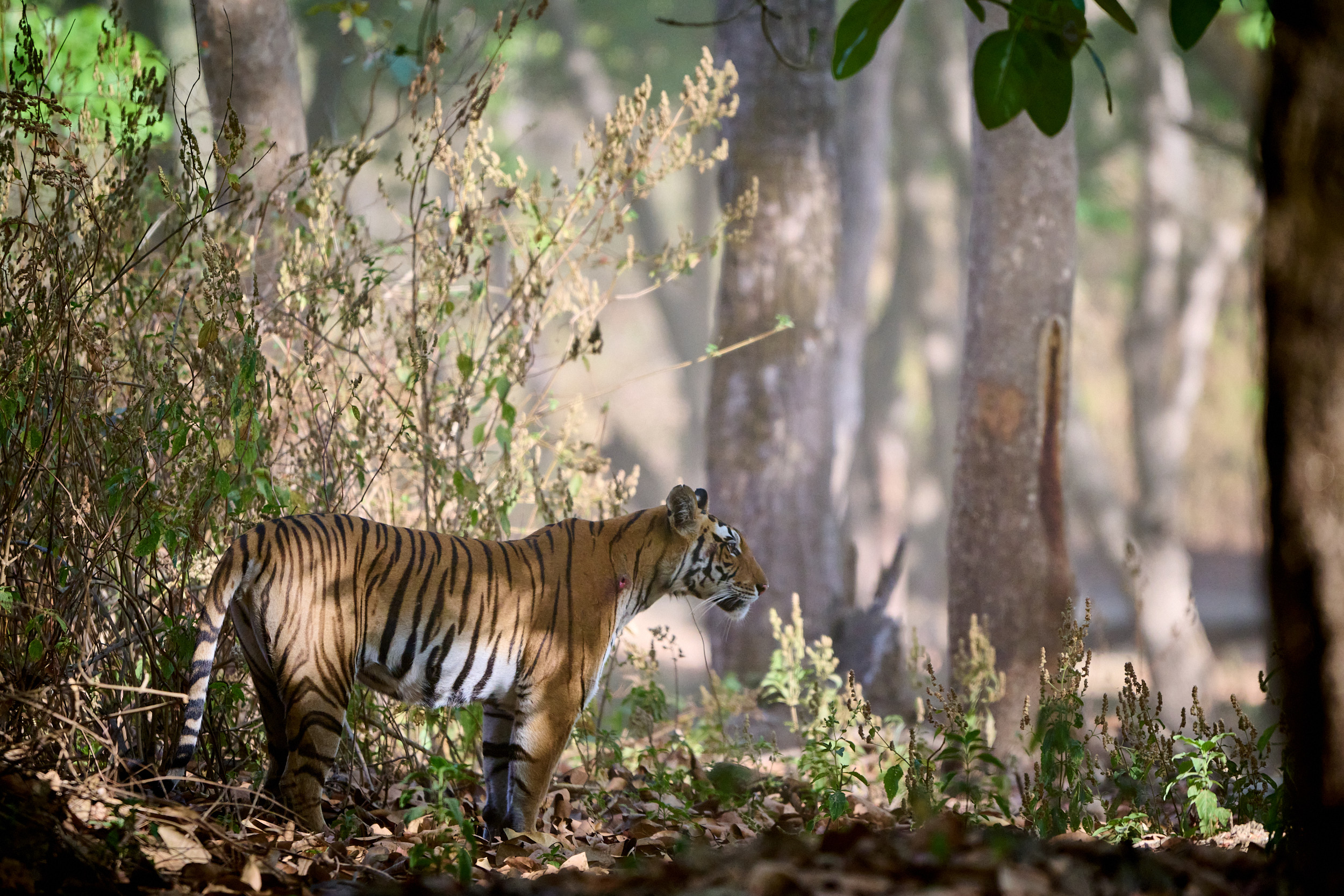
A 2025 study published in the journal Science by Y. V. Jhala and colleagues shows that this success was achieved not despite strict regulation, but because of it. The researchers found that it is not population density that determines the survival of tigers, but the attitude of the local population – and the quality of state protection measures. Compensation programs for livestock losses, ecotourism revenues, and a strict zoning system intertwine – an approach that is gaining global attention.
Species conservation through tourism works – but only if tourism serves species conservation and not the other way around.
What has stuck with me most from Kanha is how pleasant nature photography can be when the surrounding system is right. No crowding, no chasing, no guide driving the jeep closer to the tiger than necessary. The moment comes when the forest yields it – not when you force it. And the beauty of it: that is precisely when the pictures also get better.
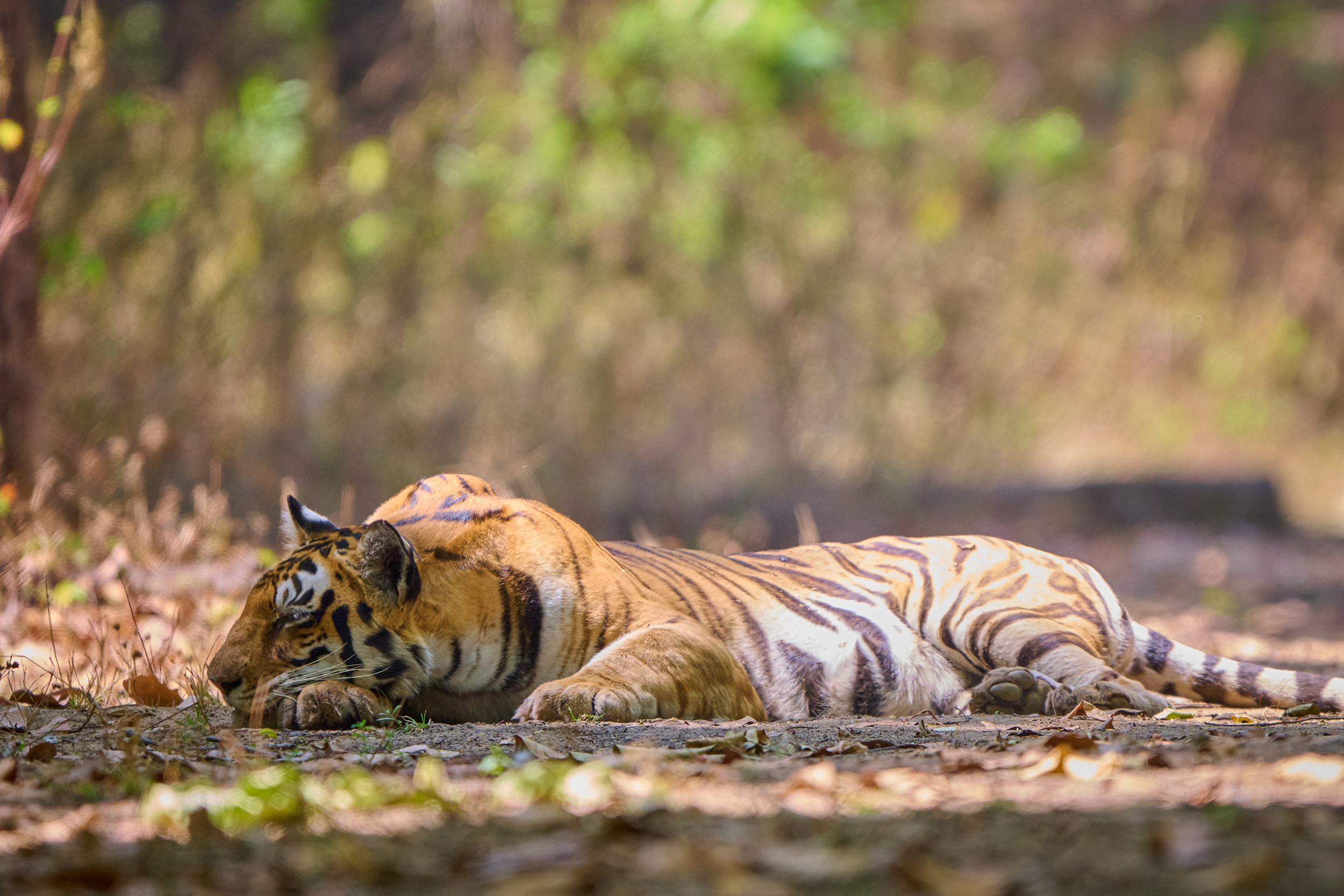
I often think back to a morning safari where we saw a tiger for a few minutes at the edge of a clearing. He lay in the shade of a bamboo thicket, briefly raised his head, fixed us with that gaze that is both indifferent and absolutely penetrating – and then lay down again. Our guide whispered something to the driver, and we drove on. No second vehicle came. No one called anyone. The tiger remained undisturbed. It was not a spectacular photo – but it was exactly the kind of encounter one actually goes into the forest for. And precisely the kind that is only possible if the next jeep does not round the corner thirty seconds later.
The Indian model is not perfect. Even in Kanha, despite the mobile phone ban, there are still situations where vehicles queue up during tiger sightings. Enforcement varies from park to park. Nevertheless, all vehicles respectfully made way for the tiger walking on the road. But the principle – state control over the forest, strict visitor limits, professional guide training, seasonal closures – shows measurable results.
When we discuss the future of wildlife tourism, we should look to India more often. Not with the motto "less tourism," but: "better tourism." India shows that strict rules are not an enemy of the experience – but its prerequisite. And honestly: anyone who locks their phone in a box and, in return, experiences a forest for three hours where the tiger can actually do what tigers do – will not miss their Instagram one bit.

Experiences
No phone ringing. No jeep traffic jams. No Instagram Reels. In India’s tiger reserves, rules are in place to protect the forest –
not to entertain tourists. An experience report from Kanha National Park on sustainable nature tourism, strict safari rules, and why Africa could learn from it.
Experiences
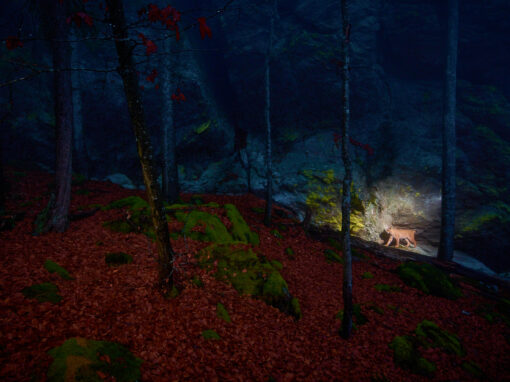
In Bavaria, at least 14 lynx disappeared under unexplained circumstances. Wildlife crime is not a distant problem—it happens in our forests. About poisoned baits, failing law enforcement, and the power of a single image.
Blog
A male lynx roams his territory near Großer Arber in the November twilight—and wins the “The World of Mammals” category at Glanzlichter der Naturfotografie 2026. The story behind the image.

Experiences
Hand on heart: who voluntarily lies flat in the forest mud during the day at three degrees and drizzling rain? While the world waits for the first cherry blossoms for the perfect Instagram selfie, I prefer to lie where it is brown, damp, and—well—quite uncomfortable. But right here, under the moldy leaves and in the inconspicuous ponds, the most exciting drama of early spring is currently unfolding.
Equipment
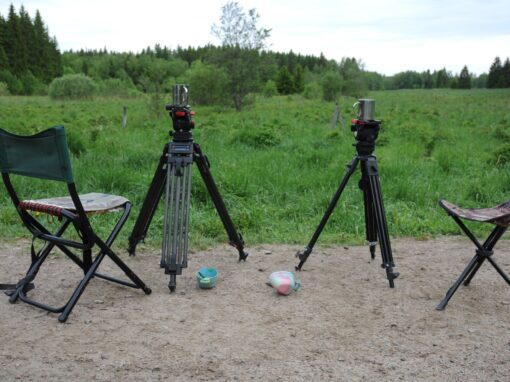
With long focal lengths, “sharpness” is not the problem; it is the tiny movement that prevents sharpness. The longer the focal length, the higher the sensor resolution, and the smaller the time window for correct technique, the less forgiving the system becomes. In practice, it is therefore not about the one perfect, razor-sharp image, but about yield: How many images in a sequence are truly usable, how reproducible is the result, and how quickly are you ready when the subject appears only briefly?
Experiences
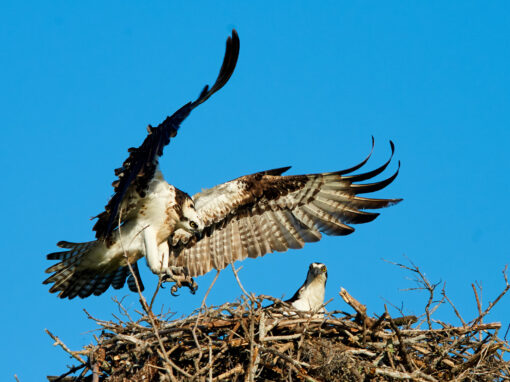
Florida’s winter is peak season for bird photography. In the Everglades, Lake Apopka, the Ding Darling Reserve and Crystal River, migratory birds meet resident species. Herons, pelicans and ibises shape the wetlands—at the center is the osprey. This article shows why Florida is one of the best winter destinations for wildlife photography and how light, landscape and biodiversity work together.
Join my nature photography community and receive exclusive updates directly in your inbox.

Sign up for my newsletter now and be the first to receive exclusive insights, tips, and new dates.