

No Results Found.
The page you requested could not be found. Try refining your search, or use the navigation above to locate the post.
The page you requested could not be found. Try refining your search, or use the navigation above to locate the post.
$variable({u0022typeu0022:u0022contentu0022,u0022valueu0022:{u0022nameu0022:u0022loop_menu_descriptionu0022,u0022settingsu0022:{u0022beforeu0022:u0022u0022,u0022afteru0022:u0022u0022,u0022loop_positionu0022:u0022u0022}}})$
$variable({u0022typeu0022:u0022contentu0022,u0022valueu0022:{u0022nameu0022:u0022loop_menu_descriptionu0022,u0022settingsu0022:{u0022beforeu0022:u0022u0022,u0022afteru0022:u0022u0022,u0022loop_positionu0022:u0022u0022}}})$
$variable({u0022typeu0022:u0022contentu0022,u0022valueu0022:{u0022nameu0022:u0022loop_menu_descriptionu0022,u0022settingsu0022:{u0022beforeu0022:u0022u0022,u0022afteru0022:u0022u0022,u0022loop_positionu0022:u0022u0022}}})$
- 04. January 2026
Florida’s winter is peak season for bird photography. In the Everglades, Lake Apopka, the Ding Darling Reserve and Crystal River, migratory birds meet resident species. Herons, pelicans and ibises shape the wetlands—at the center is the osprey. This article shows why Florida is one of the best winter destinations for wildlife photography and how light, landscape and biodiversity work together.

Julius Kramer
Wildlife Photographer & Conservationist
In the European winter, Florida is one of the most reliable and productive destinations for bird photography. While large parts of Europe are defined by short days, a low sun angle and reduced activity among many animal species, the southern United States offers mild temperatures, stable weather patterns and exceptional biodiversity. The birdlife is particularly interesting at this time of year. Migratory birds from North America meet resident species, breeding and feeding areas are easily accessible, and water levels create excellent photographic opportunities.
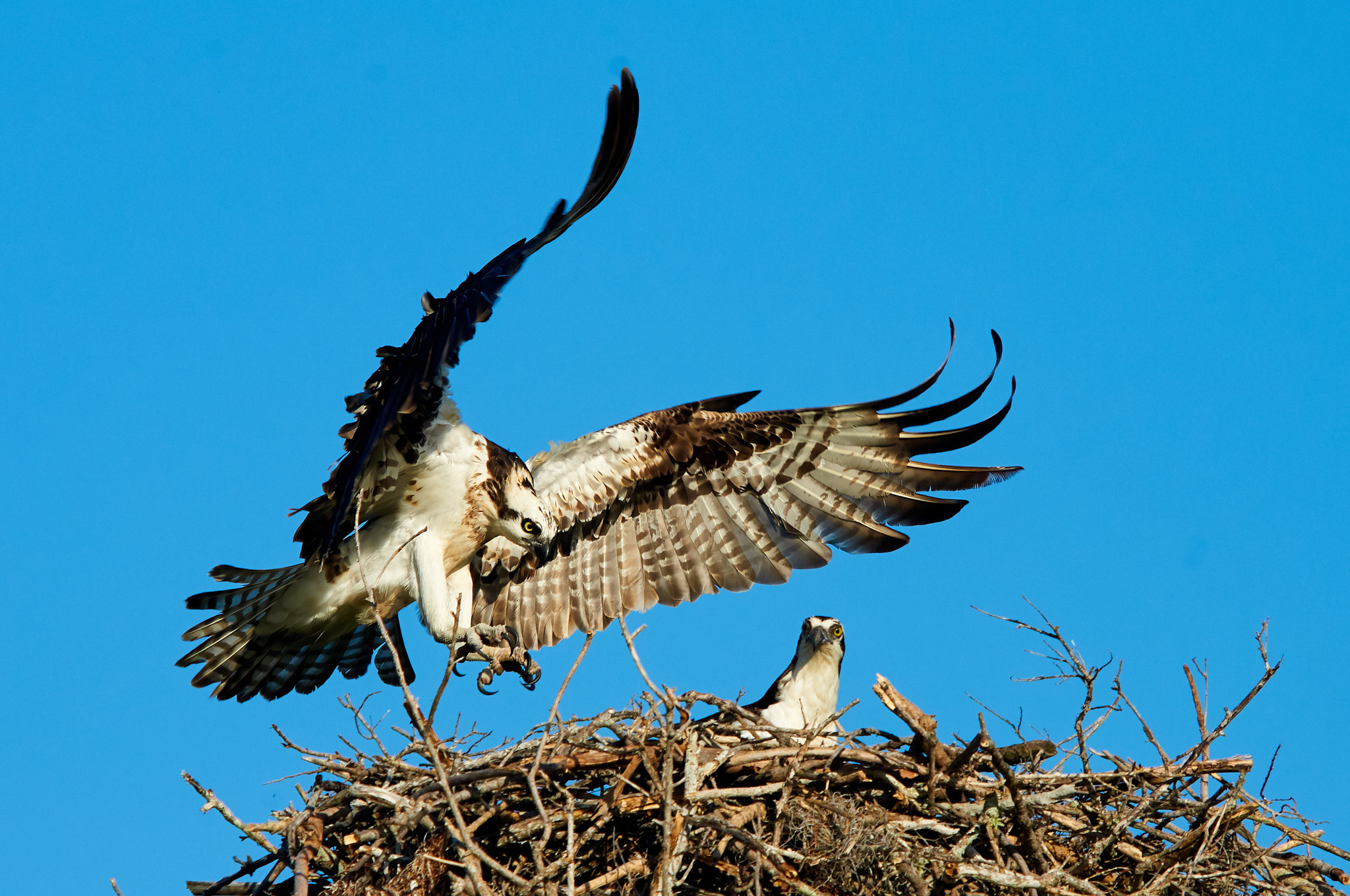
For bird photography, this means: predictable subjects, foreseeable behavior, and a high likelihood of repeatable, action-packed moments. Herons, pelicans, cormorants, ibises and spoonbills define the wetlands. At the heart of many photographic experiences, however, is the osprey. Hardly any other raptor species is as present in Florida, as visible, and at the same time as photographically appealing. Its hunting technique, its proximity to people, and its tolerance of observers make it an ideal signature subject for winter photography. Americans regularly wonder why we Europeans find the "osprey" so fascinating—but that also means you get plenty of peace and quiet when photographing at good osprey spots.
Florida also offers a wide range of landscapes: vast swamps, mangrove coasts, clear river courses, lake landscapes and subtropical forests. This diversity makes it possible to tell bird-photography stories not in isolation, but in the context of habitats. That is precisely what makes this state so appealing.
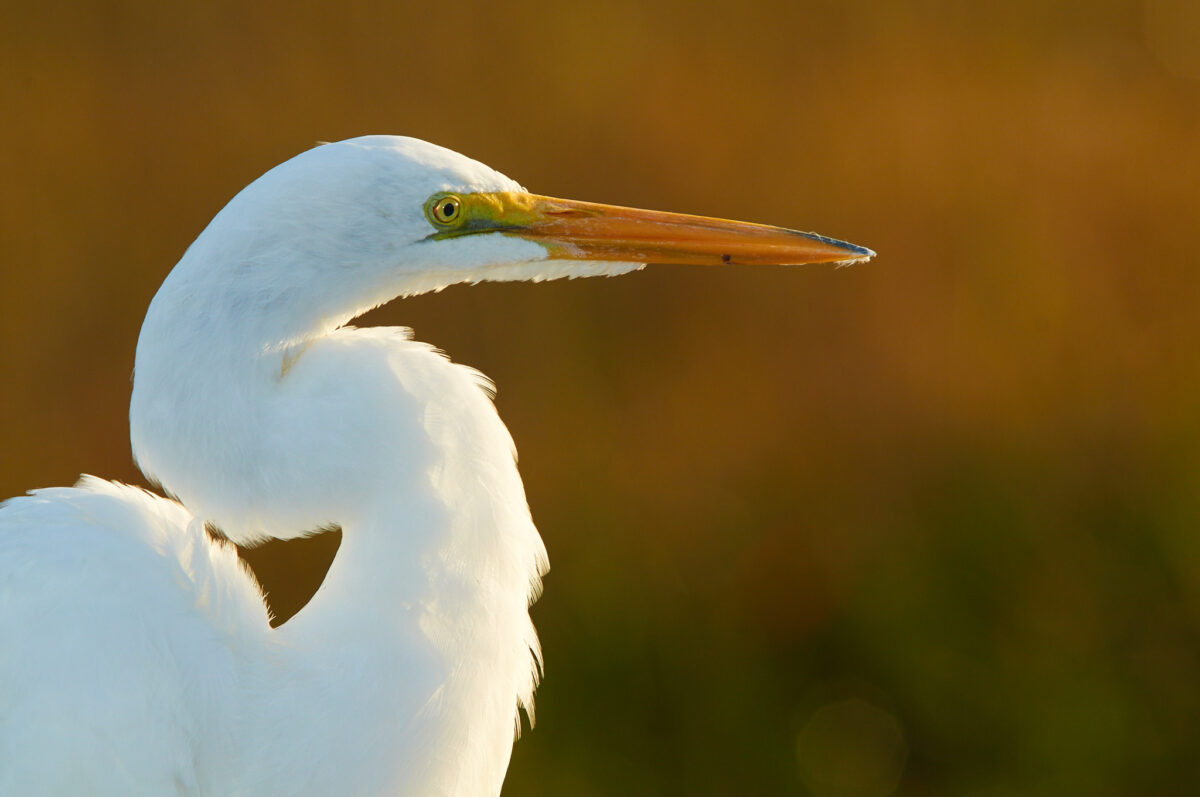
The Everglades National Park is one of the most important wetlands on Earth and forms the centerpiece of many photographic trips to South Florida. The expansive swamps, slow-flowing canals and open water areas create ideal conditions for waterbirds and raptors alike.
A key location for bird photography is the Anhinga Trail. The wooden boardwalk leads through a shallow marsh and allows observations at eye level. Especially in winter, when water levels are lower, many birds gather here in a small area. Anhingas dry their wings on branches, herons stand motionless along the shore, cormorants dive in the murky water. Alligators are often just a few meters away—still, but present.
For photography, the early morning hours are particularly valuable. A fine mist often lies over the canals, and the light is soft and diffuse. Ospreys begin hunting during this phase. They perch on dead tree trunks or navigation posts, watch the water, and then plunge steeply down. With a little patience, these sequences can be observed again and again on the Anhinga Trail.
A different perspective opens up from the water. Kayak trips through the Everglades’ mangrove channels allow quiet approaches to birds without disturbing them. Pelicans glide just above the water’s surface, herons move between mangrove roots and open areas, and ospreys circle over the narrow waterways. The proximity to the water creates a very intimate image effect while also allowing the landscape to be included.
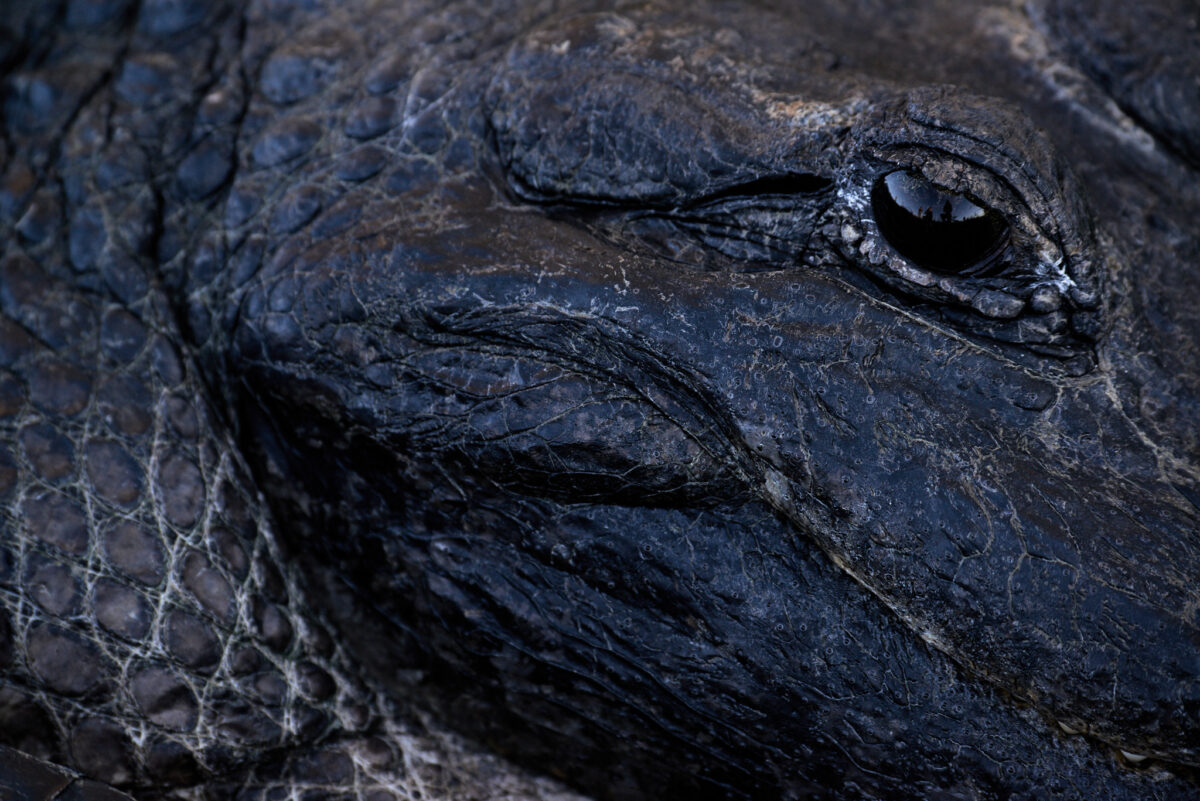
The Lake Apopka Wildlife Drive is located in central Florida and is one of the state’s most species-rich bird areas. The extensive wetlands, canals and open water areas attract enormous numbers of waterbirds in winter.
Along the Wildlife Drive route, many subjects can be observed directly from the vehicle. Moving slowly along the route is hardly perceived as a threat by the animals. Ospreys in particular are ubiquitous here. They perch on posts along the canals, on dead trees, or glide low over the water. Their hunting flights are often quite predictable, as they regularly return to specific sections.
The open landscape of Lake Apopka allows for clear, reduced compositions. Water surfaces, sky and individual trees form calm backgrounds against which birds can be cleanly isolated. At the same time, more complex scenes with multiple individuals or different species are also possible. Herons, ibises, cormorants and ducks use the same shallow-water areas and offer a wide range of opportunities for documentary series.
Winter is particularly productive here because falling water levels concentrate fish in smaller areas. This attracts not only waterbirds but also raptors. Ospreys benefit especially, significantly increasing the likelihood of successful hunting scenes.
The J.N. Ding Darling National Wildlife Refuge on Sanibel Island represents a very different habitat. Mangroves, tidal channels and mudflats shape the area. These transition zones between land and sea are a magnet for waders in winter.
At low tide, large areas are exposed where herons, spoonbills and ibises forage. Movements are slow, almost meditative. This creates calm, structured photo series. Ospreys use the channels and open water areas to catch fish. They often perch prominently above the water and can be observed for long periods.
Light plays a central role in the Ding Darling Reserve. Especially during the day’s edge hours, warm, side-lit conditions emerge. Mangroves cast graphic shadows, the water reflects the sky, and the birds’ plumage shows subtle color nuances. These conditions are suitable both for classic portraits and for atmospheric landscape images with embedded wildlife subjects.
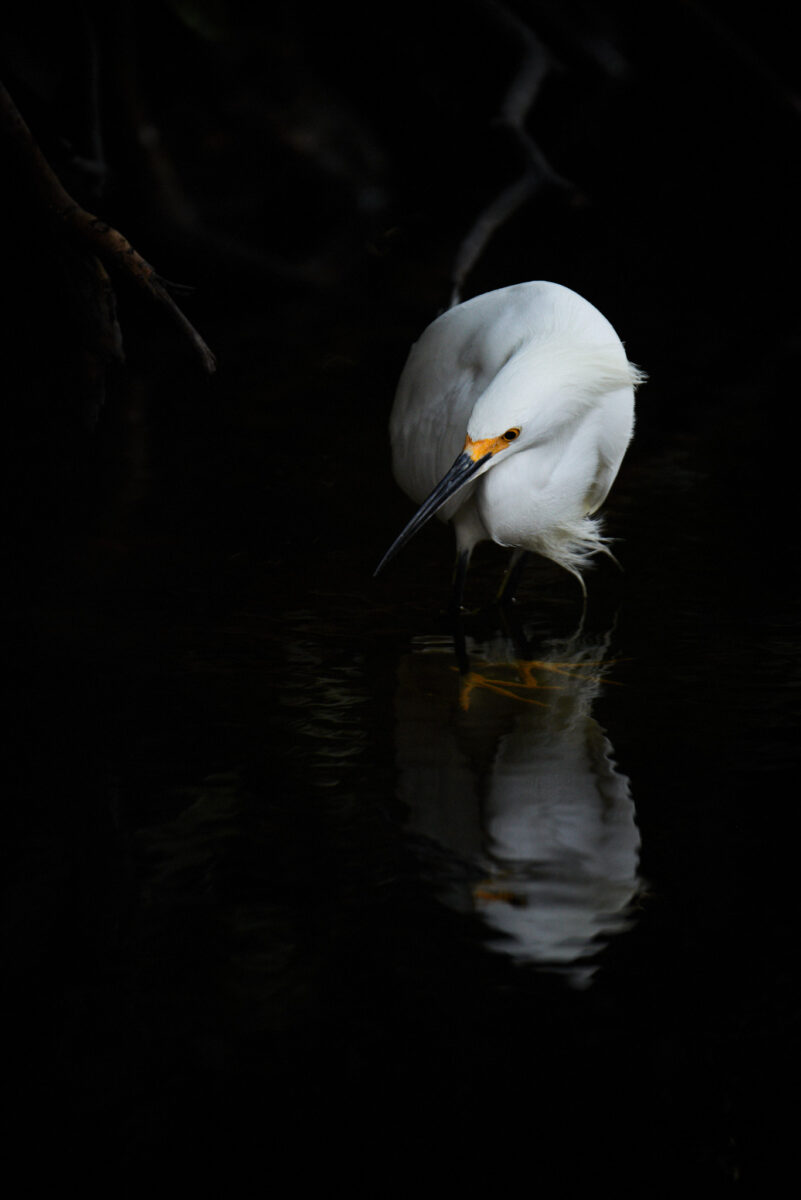
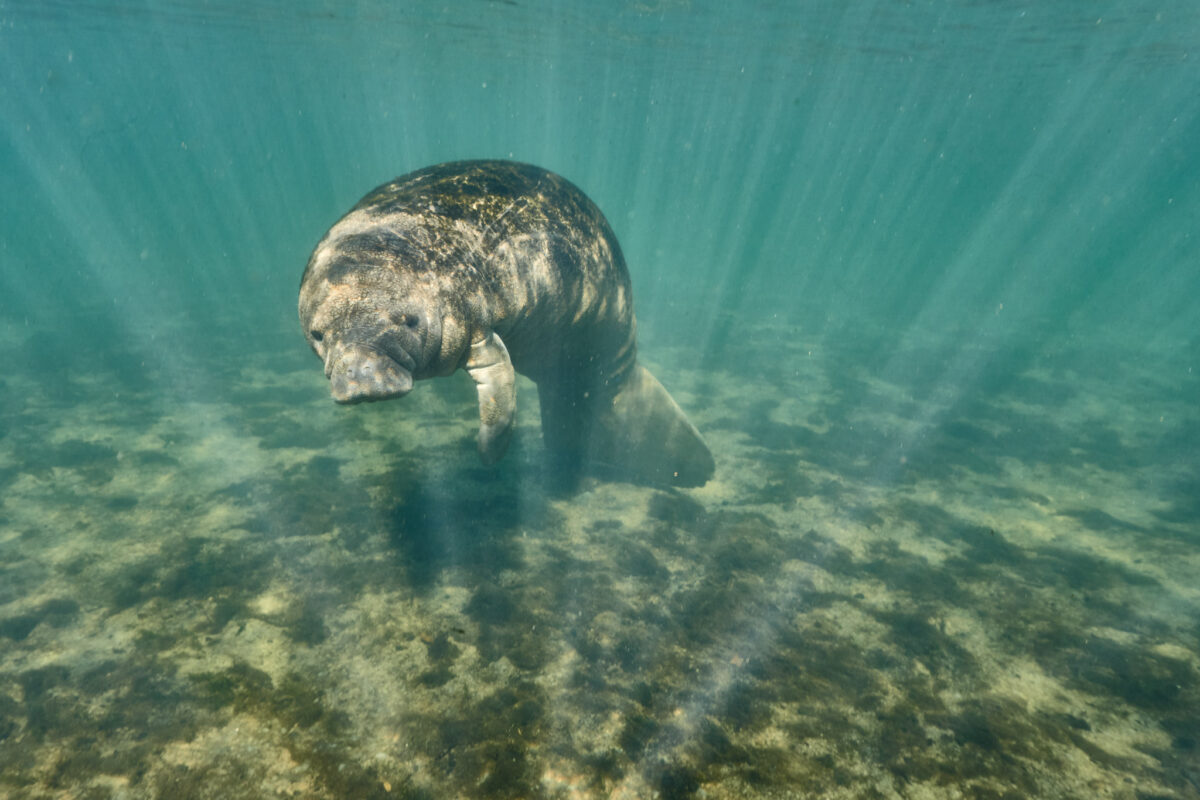
Crystal River is internationally known above all for its manatees. In winter, the animals gather in the warm springs of the river system. However, the region also offers excellent conditions for bird photography.
Around the springs and river courses, numerous waterbirds can be found. Herons, anhingas and cormorants use the clear waters for hunting. Ospreys often perch on high branches or navigation aids and watch the water. Thanks to the clarity of the river, hunting scenes are particularly easy to follow, as movements below the surface remain visible.
The combination of mammals and birds opens up narrative possibilities. Manatees drifting calmly in the water while an osprey circles above are typical motifs for Crystal River. These scenes say a great deal about the interaction of different species within a shared habitat.
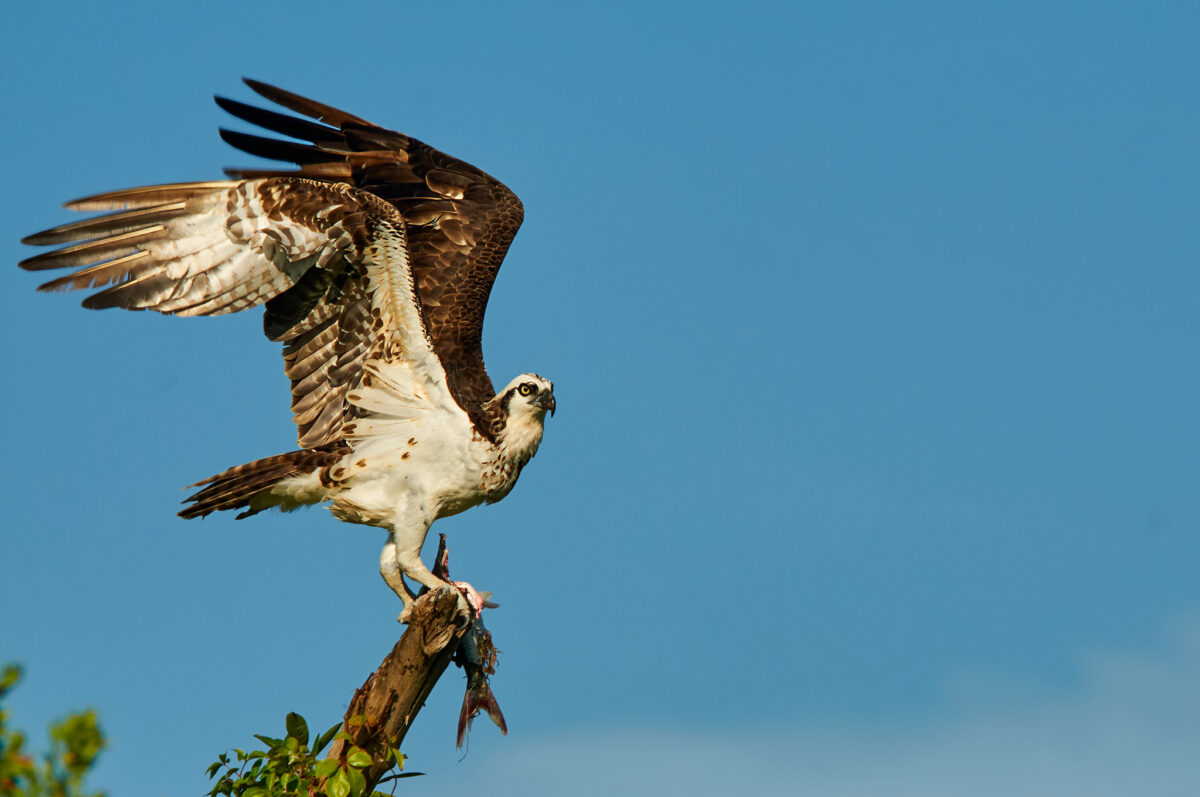
The osprey is ubiquitous in Florida and shapes the visual identity of many wetlands. Its hunting technique is spectacular: from a hover, it plunges into the water, dives in with outstretched talons, and usually pulls the fish out headfirst. These sequences are not only visually compelling, but also comparatively easy to plan.
In winter, ospreys are particularly active. Mild temperatures allow for long hunting phases, and the food supply is abundant. Many individuals use fixed perches and recurring hunting routes. Those who observe these patterns can anticipate movements and build image series that document the entire hunting sequence.
In addition, ospreys in Florida are very tolerant of human presence. Some breed in the immediate vicinity of roads, parking lots or boardwalks. This enables intensive photographic work without disturbing the animals.
From a photographic perspective, winter is the best season for Florida. The sun is lower, the light is softer, and it models landscapes and animals better than in summer. Morning and evening provide long phases of usable light. At the same time, temperatures are pleasant, making extended time in the field easier.
Lower water levels in many wetlands lead to a stronger concentration of birds. Fish are easier to reach, which increases bird activity. For wildlife photography, this means: more interaction, more movement, and greater narrative density in the images.
For my work in Florida, I use a 500 mm lens and an 80–400 mm zoom, spread across two camera bodies. The setup is complemented by a macro lens and a wide-angle lens. This combination allows me to switch flexibly between bird portraits, behavior shots, details and landscapes without interrupting the photographic flow.
In winter, Florida combines everything that is essential for successful wildlife photography in Florida: high biodiversity, predictable animal activity, good light and accessible habitats. For bird photography, the state offers exceptional consistency. The osprey exemplifies the qualities of this destination: visible, active and closely connected to the landscape. Anyone looking to work photographically during the European winter will find an environment in Florida that is sustainable in the long term—both documentary and creative.

Experiences
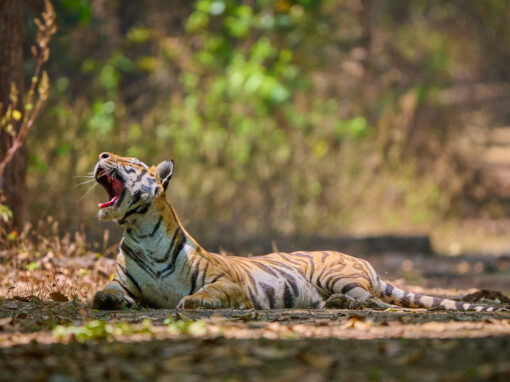
No phone ringing. No jeep traffic jams. No Instagram Reels. In India’s tiger reserves, rules are in place to protect the forest –
not to entertain tourists. An experience report from Kanha National Park on sustainable nature tourism, strict safari rules, and why Africa could learn from it.
Experiences
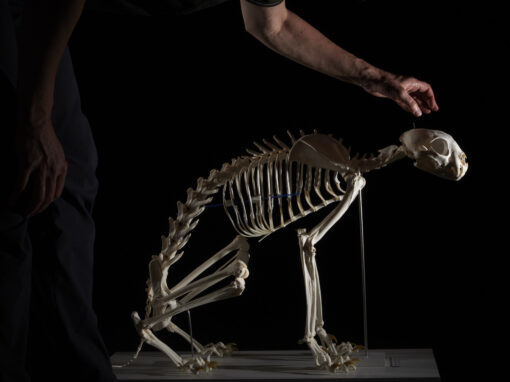
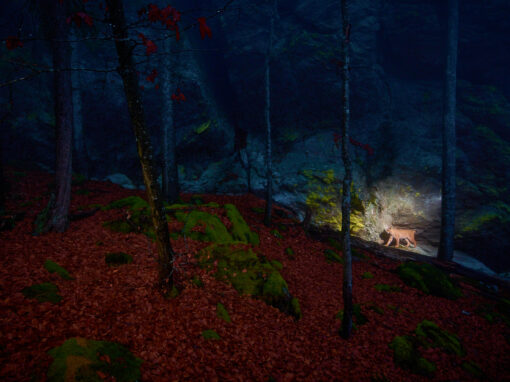
In Bavaria, at least 14 lynx disappeared under unexplained circumstances. Wildlife crime is not a distant problem—it happens in our forests. About poisoned baits, failing law enforcement, and the power of a single image.
Blog
A male lynx roams his territory near Großer Arber in the November twilight—and wins the “The World of Mammals” category at Glanzlichter der Naturfotografie 2026. The story behind the image.
Experiences
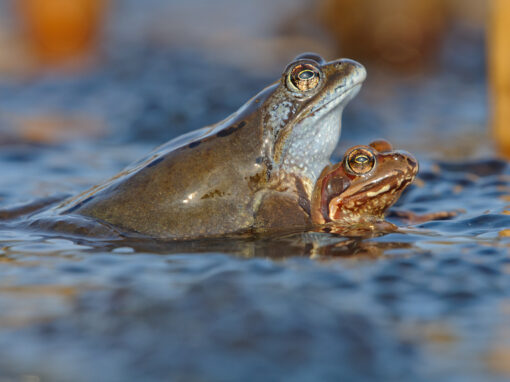
Hand on heart: who voluntarily lies flat in the forest mud during the day at three degrees and drizzling rain? While the world waits for the first cherry blossoms for the perfect Instagram selfie, I prefer to lie where it is brown, damp, and—well—quite uncomfortable. But right here, under the moldy leaves and in the inconspicuous ponds, the most exciting drama of early spring is currently unfolding.
Equipment
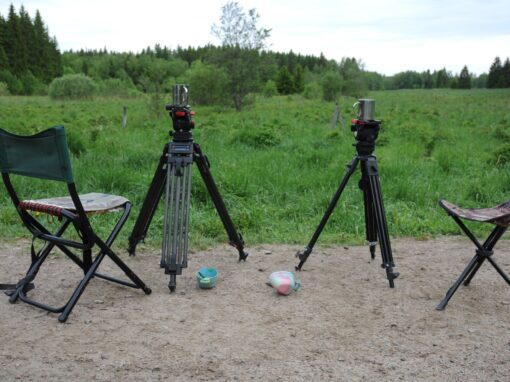
With long focal lengths, “sharpness” is not the problem; it is the tiny movement that prevents sharpness. The longer the focal length, the higher the sensor resolution, and the smaller the time window for correct technique, the less forgiving the system becomes. In practice, it is therefore not about the one perfect, razor-sharp image, but about yield: How many images in a sequence are truly usable, how reproducible is the result, and how quickly are you ready when the subject appears only briefly?
Experiences
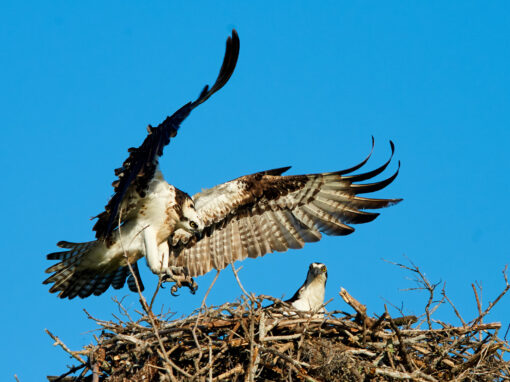
Florida’s winter is peak season for bird photography. In the Everglades, Lake Apopka, the Ding Darling Reserve and Crystal River, migratory birds meet resident species. Herons, pelicans and ibises shape the wetlands—at the center is the osprey. This article shows why Florida is one of the best winter destinations for wildlife photography and how light, landscape and biodiversity work together.
Join my nature photography community and receive exclusive updates directly in your inbox.

Sign up for my newsletter now and be the first to receive exclusive insights, tips, and new dates.