

No Results Found.
The page you requested could not be found. Try refining your search, or use the navigation above to locate the post.
The page you requested could not be found. Try refining your search, or use the navigation above to locate the post.
$variable({u0022typeu0022:u0022contentu0022,u0022valueu0022:{u0022nameu0022:u0022loop_menu_descriptionu0022,u0022settingsu0022:{u0022beforeu0022:u0022u0022,u0022afteru0022:u0022u0022,u0022loop_positionu0022:u0022u0022}}})$
$variable({u0022typeu0022:u0022contentu0022,u0022valueu0022:{u0022nameu0022:u0022loop_menu_descriptionu0022,u0022settingsu0022:{u0022beforeu0022:u0022u0022,u0022afteru0022:u0022u0022,u0022loop_positionu0022:u0022u0022}}})$
$variable({u0022typeu0022:u0022contentu0022,u0022valueu0022:{u0022nameu0022:u0022loop_menu_descriptionu0022,u0022settingsu0022:{u0022beforeu0022:u0022u0022,u0022afteru0022:u0022u0022,u0022loop_positionu0022:u0022u0022}}})$
- 03. January 2026
Winter is an underrated but particularly rewarding time for bird photography around Munich. Open waters, sparse vegetation, and soft light make birds easier to spot, while resident birds and winter visitors provide great diversity. This article introduces the best winter spots, showcases typical species, and provides practical tips on light, behavior, equipment, and respectful photography.

Julius Kramer
Wildlife Photographer & Conservationist
At first glance, winter does not seem like the classic season for nature photography. The days are short, fingers get cold quickly – and many species have long since disappeared to the south. Nevertheless (or perhaps precisely because of this), winter is often one of the best times of the year for bird photographers.
The most important reason is simple but decisive: there is no foliage. Suddenly, shorelines, branches, structures, and perches are visible that completely disappear into the green during summer. Birds are easier to discover – and also easier to photograph because you can find clean compositions and clear lines.
In addition: many birds now concentrate in specific locations. Open water surfaces, sheltered bays, quiet river sections, or feeding stations bundle activity. You don't have to constantly "search"; instead, you can stay at one spot and observe – which is often the key to great images.
And then, of course, there is the light: winter light is special. The sun is low; even at noon, the light appears softer and more sculptural than in summer. On frosty days, this clear, cool atmosphere is added – and when there is snow, a simple scene quickly becomes an image that stays in your mind.
Around Munich, we are also fortunate that the region does not become "empty" in winter. On the contrary: in addition to our resident birds, winter guests from the north arrive – and impressive numbers of waterfowl often gather at the lakes. Those who consciously take the time during these weeks will find a variety of subjects right on their doorstep that many underestimate.
In this article, you will find the best winter spots around Munich, along with typical species, equipment tips, and practical knowledge for powerful shots – always with a focus that is important to me: respectful photography, without putting pressure on the animals.

Isar Floodplains (Flaucher): Along the Isar – particularly in the Flaucher section in southern Munich – lies one of the most versatile areas for winter bird photography near the city. The river here has been renaturalized, branching into several arms and forming wide gravel banks, complemented by alluvial forest with many quiet corners. This exact mixture makes the spot so exciting: you get open water surfaces for waterfowl – and simultaneously structure in the background that immediately makes images look more "natural."
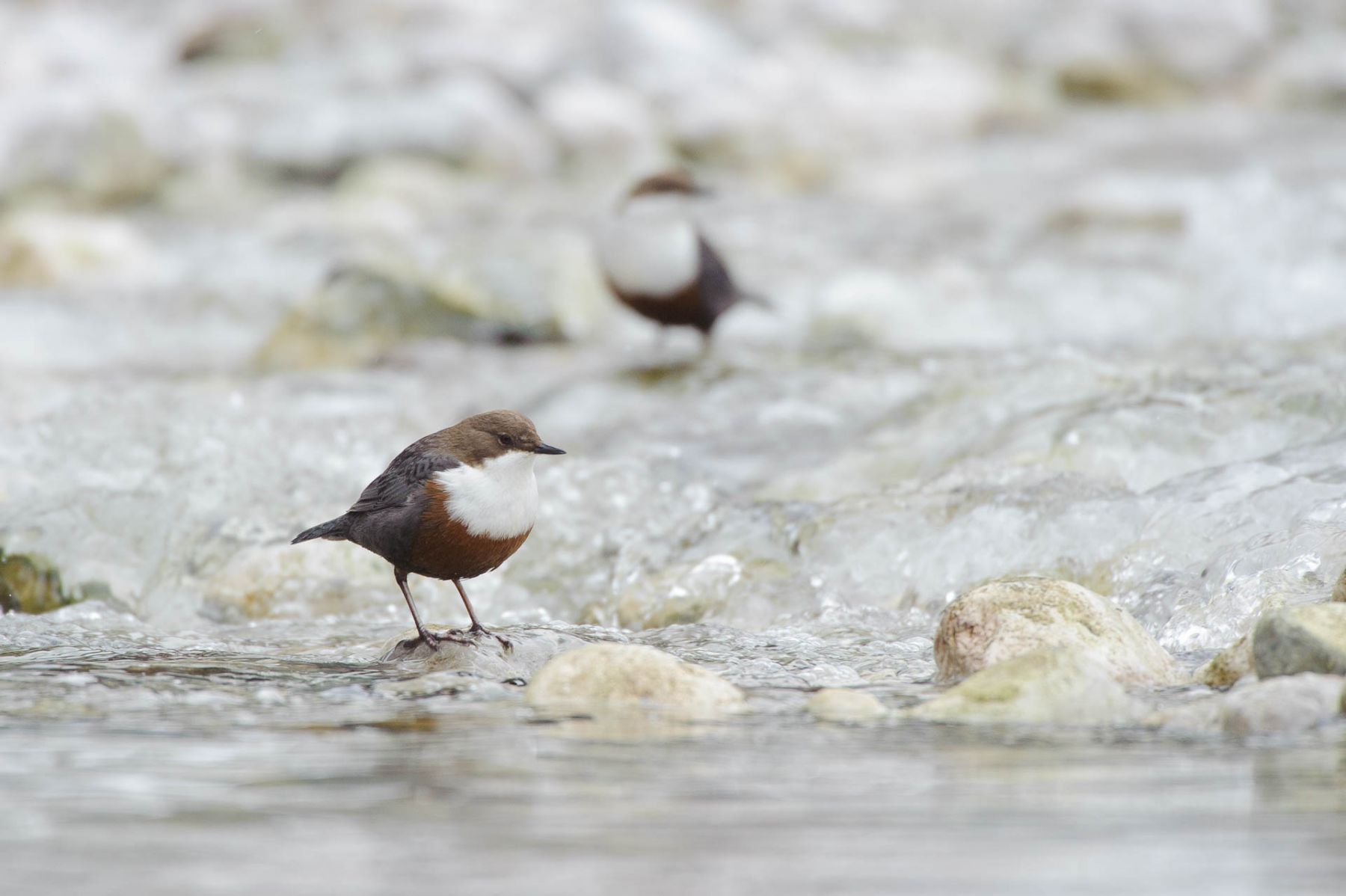
In winter, the ice-free spots on the Isar are a magnet. In the quieter river sections, Goosanders can regularly be observed, often actively foraging. With a little patience, you will also see Kingfishers darting at high speed just above the water surface, and White-throated Dippers moving between stones on the banks. Grey Wagtails appear repeatedly on the gravel islands – and occasionally Water Pipits, when conditions are right.
Further south, towards the Tierparkbrücke, large flocks sometimes gather in winter: Mute Swans, Greylag Geese, Mallards, and Black-headed Gulls can then be found in high numbers on the Isar. This offers strong subjects – swans in the morning light, mixed duck flocks, or simply that quiet winter mood when everything concentrates on a few open water spots. Some "Munich classics" among the geese are also regularly present here, such as Canada Geese or Barnacle Geese.
Away from the water, a detour into the Flaucherwald is worthwhile. Especially in winter, when the vegetation is open, the alluvial forest becomes photographically interesting: several woodpecker species are at home here, along with nuthatches and thrushes. Around allotment gardens and quieter areas, you can often find feeding stations where – depending on the year – Bramblings, Greenfinches, Goldfinches, or Bullfinches can be seen from a relatively short distance.
The Flaucher is, of course, a popular local recreation area – but that is exactly why timing is everything here: it is significantly quieter early in the morning and during the week, and the birds appear more relaxed. And one point that is important to me: as tempting as it sometimes looks – please do not feed waterfowl with bread. It does not help; it ultimately causes more harm.
If you approach the spot quietly and take your time, the Flaucher is perfect for both: dynamic action (ducks taking off, hunting mergansers) and atmospheric winter portraits with a backdrop that looks surprisingly wild despite being close to the city.
The baroque park grounds in western Munich feel almost like a small world of their own in winter. Snow, open water surfaces, and the historical backdrop provide a special atmosphere – and at the same time, an astonishing variety of birds. The extensive canals and ponds usually do not freeze over completely and attract numerous waterfowl in winter.
In the winter months, swans, ducks, and geese are primarily present here, often in high numbers. The combination of animal and environment is photographically appealing: waterfowl in front of palace facades, bridges, and old rows of trees result in subjects that immediately have a strong sense of place. A real highlight are the Goosanders, which are regularly seen in the palace canal. The males, in particular, catch the eye with their clear black-and-white contrast and shimmering dark heads, while the females provide a beautiful color accent with their rusty-red crests.
What makes Nymphenburg special is the lack of shyness in many birds. Many animals are accustomed to humans and allow for relatively short distances. This is ideal if you do not want to work with extreme focal lengths or if you consciously want to integrate more of the surroundings into the image. Mute swans often come very close to the shore, and Canada geese and black-headed gulls show little fear of contact – perfect conditions for quiet portraits or detail shots.
In addition to the "regulars," it is worth specifically looking for winter guests and rarities in winter. Duck species that one would otherwise expect at large lakes or in protected areas repeatedly appear in the park. Especially in cold winters, such observations can be photographically exciting because they often take place in direct proximity to familiar subjects. The Greylag Geese are also conspicuous in winter: they stay in family groups on the meadows and offer interesting behavioral scenes.
Away from the water surfaces, there are further opportunities. In some winters, Waxwings appear in the treetops when berries are plentiful, or Bramblings searching for beech mast in flocks. And then there are the Tawny Owls: they live year-round in the old trees of the palace park, and in winter, they can sometimes be seen in their roosting hollows during the day. With sufficient distance and a telephoto lens, these scenes can be photographed quietly and respectfully – without disturbing the animals.
Nymphenburg thus offers an enormous range: from conspicuous waterfowl to perfectly camouflaged nocturnal hunters, all embedded in a historical setting. My personal tip: come early in the morning after fresh snowfall. When the park is still quiet and the light slowly spreads over the palace, canals, and swans, images are created that can only be made in winter.
The large Alpine foothill lakes west and south of Munich are among the most exciting areas for waterfowl photography in all of Central Europe during winter. Due to their size and depth, they rarely freeze over completely – and that is exactly what makes them a magnet for thousands of overwintering birds every year.
In the winter months, impressive quantities of waterfowl gather here. Particularly striking are the huge flocks of Eurasian Coots, which often congregate by the thousands on open water surfaces. In addition, there are large numbers of ducks: Tufted Ducks, Red-crested Pochards, Common Pochards, and Common Goldeneyes characterize the scene in many places. The latter, in particular, arrive from the north in increasing numbers in late winter and bring movement to the lakes as they dive for food.
Among the common species, there are always surprises. With a bit of luck, rarer sea ducks, special grebes, or even large divers (loons) from Arctic latitudes may appear. These species are often subtly colored in their winter plumage, but that is precisely why they are photographically appealing – they tell a story of migration, cold, and adaptation that one does not often get in front of the lens.
Photographically, Lake Ammersee and Lake Starnberg offer two very different but equally exciting approaches: on the one hand, mass gatherings can be staged – thousands of ducks on mirror-smooth water, with the Alpine panorama or banks of fog in the morning light behind them. On the other hand, there is always the chance of rare individual species that suddenly appear among the flocks and make an image special. Exceptional observations are regularly reported at Lake Starnberg in particular, which adds to the appeal of these winter spots.
At Lake Ammersee, the southern shore is particularly interesting. In the reed-lined bays, Eurasian Teals – our smallest dabbling ducks – stay alongside the ubiquitous mallards in winter, as well as the Smew. This small, contrastingly colored merganser is a typical winter guest from the north and a real highlight for many photographers. Following it quietly in the viewfinder as it glides elegantly through shallow water is one of those moments for which one is happy to freeze in winter.
It is important to have a realistic view of distances at both lakes. Many birds stay far out or remain in shallow water zones and bays where they find food. Without a telephoto lens with sufficient focal length, you will quickly reach photographic limits here. Fixed observation points, such as elevated shore areas or observation towers, have proven effective, providing a good overview while maintaining distance.
This distance is crucial. Many of the northern ducks and divers are sensitive to disturbance. Therefore, a clear rest period applies to both lakes in winter: water sports do not take place, and the birds can rest undisturbed. For us photographers, this means specifically: do not push, do not follow, no drones, and rather work with patience. Those who respect this will be rewarded – with relaxed animals, natural behavior, and images that reflect exactly this tranquility.
Anyone who stands at Lake Ammersee or Lake Starnberg on a frosty morning, watching the first light move across the water and breath clouds forming over hundreds of swimming ducks, quickly understands why these lakes are so special in winter. The winter peace not only gives the birds security but also provides us photographers with subjects that stay in the memory for a long time.
Munich's large city park oasis is also worthwhile in winter – especially with a telephoto lens. Very different habitats meet here in a relatively small space: old deciduous trees, open meadows, the Kleinhesseloher See, and several streams. This mixture ensures an astonishing variety of birds, which is supplemented by additional guests in winter.
Waterfowl are present year-round at Kleinhesseloher See. Many of them are accustomed to humans and are easy to photograph. In addition to mallards, tufted ducks, greylag geese, Canada geese, mute swans, and coots, less typical species for a city park also appear from time to time, such as Mandarin ducks or red-crested pochards. In winter, you can often photograph at eye level on the shore, as many animals approach curiously. Even if feeding is officially discouraged, it at least explains why the birds here are comparatively trusting – a clear advantage when working without camouflage.
A special highlight are the Kingfishers along the Eisbach. Thanks to some sections that never freeze, they hunt fish here even in winter. Photographing a kingfisher on a snow-dusted branch over the stream requires patience but is entirely possible – and one of the most beautiful winter subjects in the park.
The feeding stations for small birds are also very productive in winter. Typical resident birds can be observed there from close range: blue tits and great tits perform acrobatics on the fat balls, nuthatches climb head-first down trunks, while chaffinches, greenfinches, or robins search for seeds on the ground. Even great spotted woodpeckers drop by regularly. For these subjects, a medium telephoto (200–300 mm) is often sufficient, as the birds allow for short distances. It is important to remain calm and perform movements slowly.
Away from the feeding sites, you will encounter blackbirds, thrushes, crows, and occasionally flocks of siskins in the trees during winter. Due to its excellent accessibility, the English Garden is ideal for spontaneous photography excursions – whether on foot, by bike, or by subway. And with the snow-covered Monopteros, the frozen lake, or frosty trees, the park offers strong backgrounds for atmospheric bird shots in the middle of the city.
Lake Eching is a true waterfowl hotspot. Large area, good observation opportunities, often ice-free sections – and thus very consistent in winter.
You will find many duck species, geese, swans, herons, and, depending on conditions, surprises there. For photographers, the area is particularly exciting when you don't just want "species lists" but also behavior: flight movements, interaction, hunting scenes.
A viewpoint or an elevated shore is worth its weight in gold here because it allows you to better control image composition and background. And: a telephoto lens is mandatory.
When it comes to diversity and potential rarities, Ismaning is the ultimate for many. The area is large, partially protected, and not accessible everywhere – which is exactly what makes it so attractive for the birds.
You have to accept here: not everything is "close." In return, you often get scenes that look significantly more natural because the animals are less accustomed to humans.
Anyone photographing here should consciously take their time: observe first, then decide where to stay. It is often worth consistently "sitting out" a spot instead of constantly looking for new perspectives.

These are the species that stay here all year round – and which are often easier to photograph in winter than in summer:
The advantage: you can plan to photograph these species – especially at feeding stations.
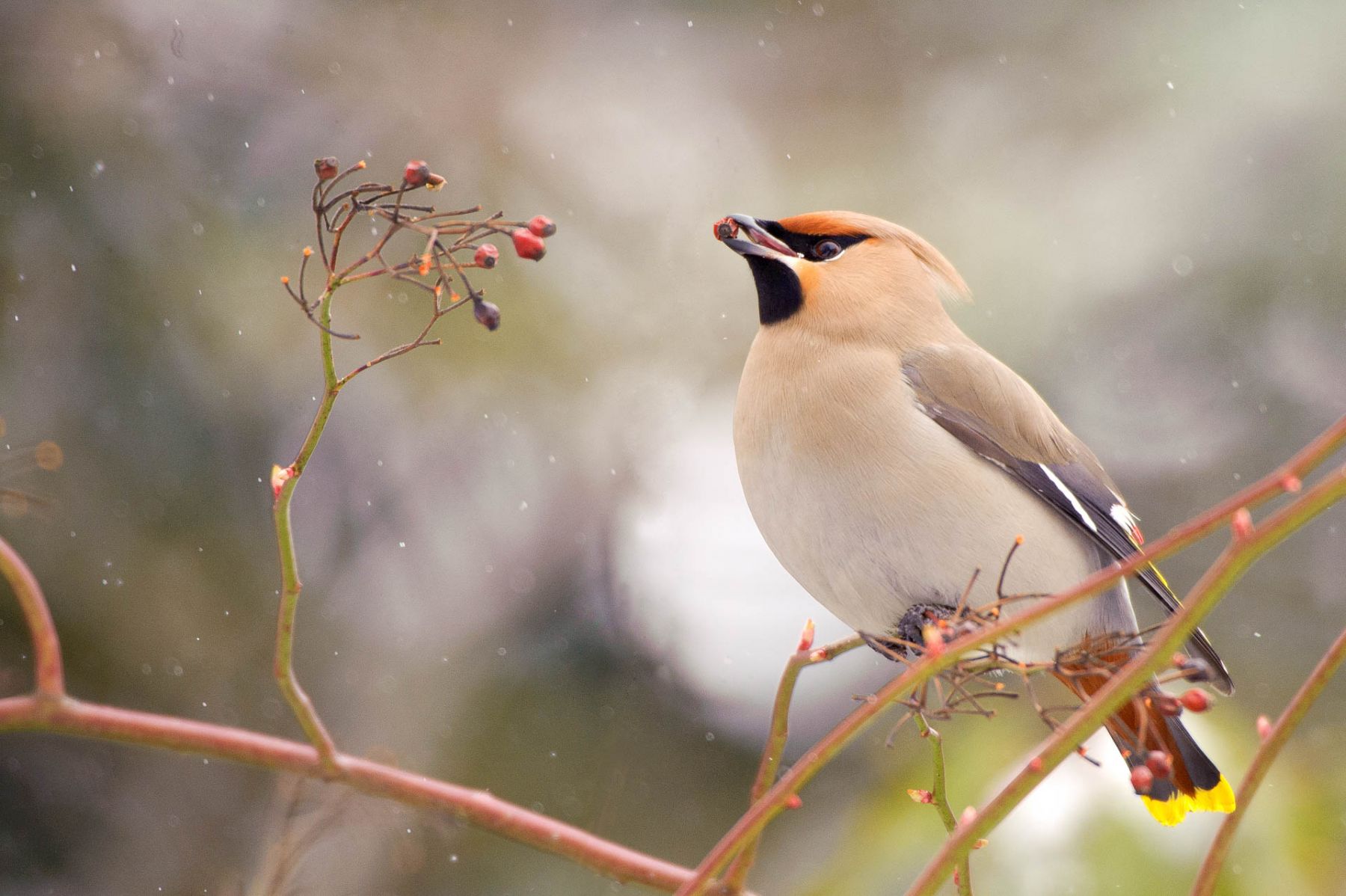
In winter, additional species come to the region that you hardly see in summer:
In winter, the days are short – making it all the more important to use the light purposefully. The morning hours in particular are often ideal: soft, warm light, hoarfrost or snow, and active birds foraging for food. The late afternoon shortly before sunset also provides very atmospheric conditions.
An advantage of winter is the low position of the sun. Even at noon, it is often still possible to photograph well without harsh zenith light. The weather situation plays a major role: overcast skies act like a softbox and are ideal for dark birds against bright snow, while sunny snow days produce vibrant colors and contrasts.
Factor in wind and weather. Windless mornings often bring fog over bodies of water; fresh snow ensures clear, minimalist backdrops. And: the cold also has its benefits – no heat haze.
Snow tends to make the camera underexpose. Rule of thumb:
Photographing winter birds often has less to do with technology than with tranquility and patience. Birds are observant – those who move hectically will usually only see flight distances. The better approach is simple: observe first, then photograph.
When you arrive at a spot – whether it's a lakeshore, a stream, or a feeding station – consciously take a few minutes. See where the birds are staying, which areas they use regularly, and where quiet backgrounds emerge: reeds, sky, snow, or dark forest. Then consider how you can position yourself without immediately attracting attention.
Move slowly and deliberately. Avoid a direct approach at a brisk pace. It often works better to approach from the side or in small stages: a few steps, stop briefly, wait, then continue. Many birds will accept your presence if you do not represent a threat. Eye contact can also play a role – sometimes it actually helps to turn slightly away or appear to show no interest.
Once you have found a good position, stay there. Sit down or stand still instead of constantly changing location. After a short time, many birds return to their normal behavior. That is exactly when the best images are created: a kingfisher that suddenly dives for a fish, or a wren that unexpectedly emerges from the thicket. A small seat cushion can be worth its weight in gold in winter – and makes the wait much more pleasant.
It is important to pay attention to the animals' reactions. Warning calls, nervous hopping, or flight are clear signs that you are too close. In this case, it is better to take a step back. Flight distances are species-specific: a robin in a city park often tolerates a few meters, while wild geese in an open field react from a great distance. Over time, you develop a good sense for this – and this feeling is often more decisive than any technical detail.
In winter bird photography especially, respectful treatment of the animals is the top priority. Winter is an energetically extremely demanding time for wild birds – every unnecessary disturbance costs energy they need to survive. Therefore, a simple principle applies: take as little influence as possible.
Stay on paths and in designated areas, especially in protected zones. When waterfowl rest in bays or on quiet water surfaces, these areas should be consistently respected. Winter rest is not a theoretical concept but vital for survival. As a photographer, you have the great advantage of long focal lengths – use them. Better an image from the shore with some cropping than going a few meters closer and flushing an entire flock.
Why this is so crucial: if shy winter guests like northern ducks or geese are disturbed, entire flocks often flee simultaneously. This costs enormous energy that is then missing for keeping warm or searching for food – in severe frost, this can decide between life and death. No photo justifies this stress.
Therefore, consistently refrain from luring methods: no knocking, no calling, no targeted feeding. Feeding is only sensible at designated spots and should be done professionally – bread or salty food harms the animals.
Ethics sometimes also means consciously passing up a subject. If a rare owl is sitting in its roosting hollow during the day and many people are already standing in front of it, keeping your distance is the better decision – even if the image would be tempting.
Consideration is not a sacrifice, but part of good nature photography.
Many winter areas at the Alpine foothill lakes provide a positive example: water sports are suspended there during the cold season so that birds can rest undisturbed. As a photographer, one should align with this idea. When we act mindfully, both sides benefit – the birds through peace, and we through natural, relaxed subjects. Because in the end, it is not about driving animals into flight, but about showing their beauty.
Winter bird photography around Munich is more than a "substitute program" for the summer. It is often more direct, clearer, and surprisingly versatile: from small songbirds at feeding stations to huge waterfowl gatherings at the Alpine foothill lakes.
If you prepare well, stay warm, and take your time, you will get subjects that only winter provides: quiet light, frosty atmosphere, clear lines – and birds that show themselves concentrated in a few locations.
And in the end, the same thought always remains for me: the best images are created when we behave in such a way that the animals can ignore us. Then we are only observers – and that is exactly what produces the most powerful photos.

Experiences
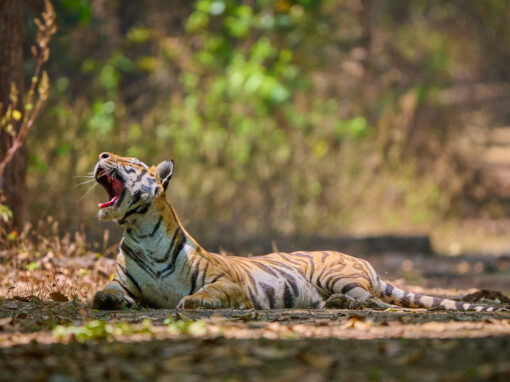
No phone ringing. No jeep traffic jams. No Instagram Reels. In India’s tiger reserves, rules are in place to protect the forest –
not to entertain tourists. An experience report from Kanha National Park on sustainable nature tourism, strict safari rules, and why Africa could learn from it.
Experiences
In Bavaria, at least 14 lynx disappeared under unexplained circumstances. Wildlife crime is not a distant problem—it happens in our forests. About poisoned baits, failing law enforcement, and the power of a single image.
Blog
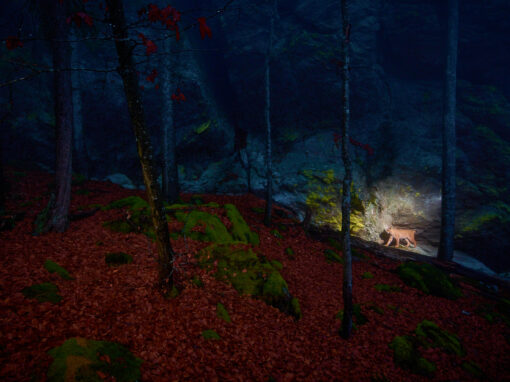
A male lynx roams his territory near Großer Arber in the November twilight—and wins the “The World of Mammals” category at Glanzlichter der Naturfotografie 2026. The story behind the image.
Experiences
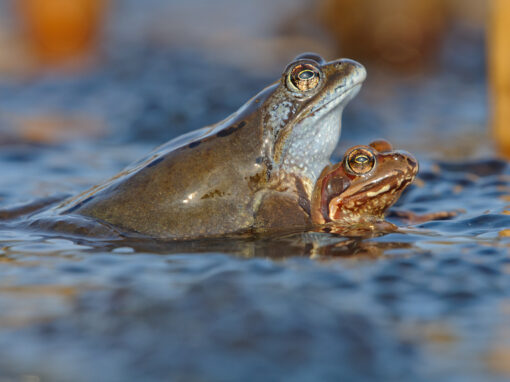
Hand on heart: who voluntarily lies flat in the forest mud during the day at three degrees and drizzling rain? While the world waits for the first cherry blossoms for the perfect Instagram selfie, I prefer to lie where it is brown, damp, and—well—quite uncomfortable. But right here, under the moldy leaves and in the inconspicuous ponds, the most exciting drama of early spring is currently unfolding.
Equipment
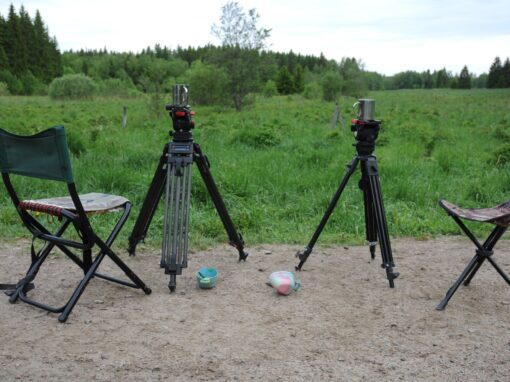
With long focal lengths, “sharpness” is not the problem; it is the tiny movement that prevents sharpness. The longer the focal length, the higher the sensor resolution, and the smaller the time window for correct technique, the less forgiving the system becomes. In practice, it is therefore not about the one perfect, razor-sharp image, but about yield: How many images in a sequence are truly usable, how reproducible is the result, and how quickly are you ready when the subject appears only briefly?
Experiences
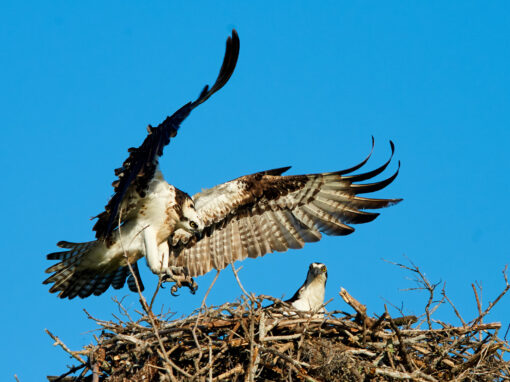
Florida’s winter is peak season for bird photography. In the Everglades, Lake Apopka, the Ding Darling Reserve and Crystal River, migratory birds meet resident species. Herons, pelicans and ibises shape the wetlands—at the center is the osprey. This article shows why Florida is one of the best winter destinations for wildlife photography and how light, landscape and biodiversity work together.
Join my nature photography community and receive exclusive updates directly in your inbox.

Sign up for my newsletter now and be the first to receive exclusive insights, tips, and new dates.